

If you are planning an African adventure, these version tips for travel to Kenya will be the most valuable thing you read before boarding your flight. Kenya is one of the world’s top wildlife destinations — home to the legendary Maasai Mara, Mount Kenya, the Swahili Coast, and some of the most culturally rich communities on the continent. But like any international destination, arriving prepared makes all the difference between a trip that transforms your life and one that leaves you scrambling at the border. This essential travel guide for visiting Kenya in 2026 covers everything from visa requirements and vaccinations to safari budgeting, safety, and cultural etiquette — backed by expert advice and insights drawn from real traveler discussions.
Why Kenya Belongs on Every Traveler’s Bucket List
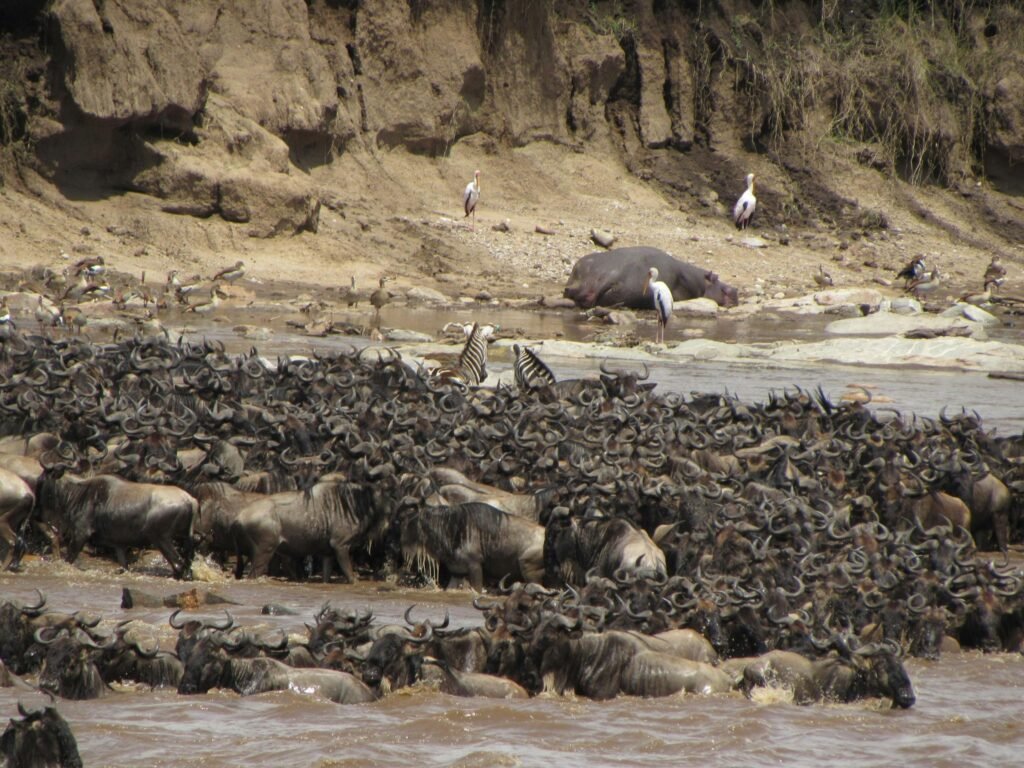
Kenya offers an extraordinary blend of experiences that few countries can match. In a single trip, you can witness millions of wildebeest thunder across the Mara River during the Great Migration, sip chai with Maasai elders, snorkel in the warm waters of Watamu, and hike the moorlands of Mount Kenya. Nairobi, the capital, has evolved into a cosmopolitan hub with a booming food, art, and technology scene. Whether you are a first-time traveler or a seasoned adventurer working through this complete guide for first-time travel to Kenya, the country rewards every type of visitor.
According to the Kenya Tourism Board, international arrivals have grown significantly year-over-year, with visitors drawn by the country’s unrivalled safari circuits and coastal resorts. That growth means infrastructure is improving — but it also means more competition for peak-season accommodation. Booking early and understanding the travel landscape is more important than ever.
Visa Requirements: What You Need to Know Before You Visit Kenya
One of the most important version tips for travel to Kenya is to sort your visa well in advance. In January 2024, Kenya replaced its previous e-visa system with the Electronic Travel Authorization (ETA). All foreign nationals (except East African Community citizens) must apply online before departure at the official Kenya eTa portal (etakenya.go.ke).
ETA Key Facts for 2026
- Cost: USD $30 for most nationalities
- Processing time: Usually 72 hours, but apply at least 1–2 weeks early
- Validity: Single entry, valid for 90 days from approval
- You must show proof of onward travel and accommodation at the port of entry
- Keep a printed or downloaded copy in case of connectivity issues on arrival
Many travelers on forums like TripAdvisor and Reddit’s r/travel mention being caught off guard by the ETA switch from the old e-visa system. Double-check the official government portal rather than third-party sites charging inflated fees.
Health Preparations: Vaccinations and Medications
No version tips for travel to Kenya would be complete without a thorough health section. Kenya requires proof of yellow fever vaccination if you are arriving from a yellow fever-endemic country. Even if it is not mandatory for your route, most travel health clinics recommend the vaccine regardless. Visit a travel health clinic or your GP at least 6–8 weeks before departure.
Recommended Health Preparations
- Yellow Fever: Required if arriving from endemic countries; recommended for all visitors
- Malaria prophylaxis: Kenya is a malaria-risk country. Consult your doctor about Atovaquone-proguanil (Malarone), Doxycycline, or Mefloquine
- Hepatitis A & B, Typhoid, Tetanus, Rabies (for extended stays or wildlife work)
- Travel insurance: Essential — medical evacuation from remote areas is extremely costly
- Pack a basic medical kit: rehydration sachets, antiseptic, blister plasters, and sun protection (SPF 50+)
Frequent visitors report that altitude sickness can be an unexpected concern for travelers heading to Nairobi (1,795m / 5,889ft) or trekking Mount Kenya. Acclimatize slowly and stay well-hydrated, particularly in your first 24–48 hours.
Safety Tips: Staying Secure on Your Kenya Trip
Kenya is a safe destination for the vast majority of travelers, but like any major travel destination, situational awareness matters. The smart traveler’s guide to Kenya, safety, visas, and budget tips all circle back to one foundational principle: research your specific regions before you go, as conditions vary widely.
Regional Safety Overview
- Nairobi: Exercise normal big-city caution. Avoid walking after dark in the CBD, and use reputable ride-hailing apps (Uber, Bolt, Little) rather than unmarked taxis
- The Coast (Mombasa, Diani, Watamu): Generally safe and tourist-friendly. Keep valuables off the beach
- Maasai Mara & Rift Valley: Very safe for safari tourism. Always travel with registered guides
- Northern Kenya & Somali border areas: The UK Foreign Office and US State Department both advise against non-essential travel to areas near the Somali border. Check your government’s advisory before travelling
- Nairobi’s Westgate area: Fully operational and safe — do not let dated perceptions deter you from visiting
According to traveler discussions on Lonely Planet forums and Reddit’s r/Kenya, petty theft (bag snatching, phone theft) is the most commonly reported issue for tourists in Nairobi. Use a money belt, avoid displaying expensive jewellery or cameras in busy streets, and keep copies of your passport and ETA in a secure cloud folder.
Budget Planning: How Much Does Travel to Kenya Cost?
Kenya caters to a remarkably wide range of budgets — from backpackers sleeping in Nairobi hostels for under $20/night to ultra-luxury lodge guests paying $1,500+ per person per night in the Mara. These version tips for travel to Kenya will help you plan a realistic budget regardless of your travel style.
Average Daily Budget Breakdown (2026)
- Budget traveler: $50–80/day (hostels, local matatu transport, street food, self-arranged day tours)
- Mid-range traveler: $150–300/day (guesthouses/boutique hotels, private transfers, mid-range safaris)
- Luxury traveler: $500–1,500+/day (top lodges, private game drives, domestic flights between parks)
- Safari costs: A 3-day Masai Mara safari from Nairobi typically runs $400–$800 per person mid-range
- Park entry fees: The Maasai Mara National Reserve charges approx. $200/person/day in peak season (July–October)
- Currency: The Kenyan Shilling (KES). USD is widely accepted at lodges and major hotels. Always carry some local cash for markets and smaller establishments
Many travelers mention being surprised by how expensive a proper Maasai Mara safari can be when park fees, vehicle hire, and accommodation are added up. The key money-saving tip from traveler discussions: book through reputable Nairobi-based operators rather than international middlemen, and consider flying into the Mara on a domestic carrier (Safarilink, AirKenya) to save transit time.
Best Time to Visit Kenya: Seasons and Safari Timing
Before you visit Kenya, important travel advice on timing can save you hundreds of dollars and dramatically change your experience. Kenya has two dry seasons and two rainy seasons:
- Peak dry season (July–October): Best for wildlife viewing, especially the Great Migration river crossings. Prices are highest and lodges book out months in advance
- Secondary dry season (January–March): Excellent game viewing, fewer crowds, lower prices — a favorite among experienced Kenya travelers
- Long rains (April–June): Heavy rainfall, muddy tracks, some lodges close. However, landscapes are lush and birdwatching is exceptional
- Short rains (November–December): Brief afternoon showers. Good value and beautiful green scenery
Frequent visitors report that the shoulder months of June and November offer some of the best value: wildlife is still abundant, crowds are lower, and lodge rates drop noticeably. If witnessing the Great Migration river crossings is a priority, plan your Mara visit between late July and October — but be prepared to book 9–12 months in advance for peak-season lodges.
Getting Around Kenya: Transport Tips and Practical Logistics
Transport is one of the most discussed topics in any version tips for travel to Kenya conversation, and for good reason — it can make or break your itinerary.
Read More:https://jetsettrail.com/melia-kuala-lumpur-kuala-lumpur-malaysia/
Transport Options at a Glance
- Domestic flights: The fastest and most comfortable way to reach parks. Safarilink and AirKenya connect Nairobi Wilson Airport to the Mara, Amboseli, Lamu, and more
- SGR train (Nairobi–Mombasa): A comfortable, affordable 4.5-hour journey on the Standard Gauge Railway. Book via the official Madaraka Express booking portal
- Matatus: Kenya’s ubiquitous minibus-taxis. Cheap, widely available, and authentically Kenyan. Best avoided on very long intercity routes with heavy luggage
- Uber/Bolt: Reliable in Nairobi, Mombasa, Kisumu, and Nakuru. Always confirm the plate number before entering
- Self-drive 4WD: Possible for confident drivers, but park roads require genuine off-road experience. Not recommended for first-time visitors in remote reserves
Cultural Etiquette: Respecting Local Customs in Kenya
Among the top things to know before traveling to Kenya, cultural awareness ranks highly. Kenya is a deeply diverse country with over 40 ethnic groups, each with distinct traditions. However, several broad customs apply across most communities:
- Greetings matter: Kenyans value warm, unhurried greetings. Learn a few words of Swahili — “Jambo” (hello), “Asante” (thank you), “Hakuna matata” (no worries) — they are met with genuine appreciation
- Dress modestly outside of beach and safari areas, particularly in coastal towns with significant Muslim communities (Mombasa, Lamu)
- Ask before photographing people. Many Maasai and other community members charge a small fee for photos — always respect their wishes if they decline
- Tipping culture: Tipping is appreciated but not always mandatory. 10% at restaurants is standard; $5–10/day for safari guides and camp staff is considered generous
- Bargaining is normal and expected in markets (e.g., Nairobi’s Maasai Market), but not in supermarkets or fixed-price shops
What Real Travelers Say: Insider Tips Based on Traveler Discussions
Some of the most practical insights come not from guidebooks but from the lived experiences shared in public forums. Here is a curated summary of recurring themes from Reddit’s r/Kenya, TripAdvisor community boards, Lonely Planet forums, and Quora travel discussions — reflecting what first-time and repeat visitors genuinely wish they had known.
Common Mistakes First-Time Visitors Make
- Underestimating Nairobi traffic: Many travelers mention missing flights, tours, and restaurant reservations because they did not factor in Nairobi’s notoriously heavy rush-hour congestion. Allow at least 2 hours for airport transfers during peak times (7–9 AM and 5–8 PM)
- Booking only one safari location: According to traveler discussions, travelers who visit only the Maasai Mara sometimes miss out on the quieter, equally spectacular wildlife of Amboseli (elephant-heavy, Mount Kilimanjaro backdrop), Samburu (unique northern species), or Lake Nakuru (flamingos, rhinos)
- Not carrying cash in smaller denominations: Many first-timers report struggling when smaller vendors, roadside markets, and community guides cannot break large bills
- Overlooking Nairobi as a destination: Many travelers mention spending just one night in transit and later wishing they had allocated more time. Nairobi National Park (the world’s only national park within a capital city), the Karen Blixen Museum, and the Giraffe Centre are all exceptional
- Assuming cheap mobile data: Kenya’s mobile data (Safaricom’s M-Pesa ecosystem is world-leading) is affordable, but travelers report that buying a local SIM card at the airport (Safaricom recommended) saves significant costs versus international roaming
Traveler Favorites You Might Not Have on Your Radar
- Ol Pejeta Conservancy (Laikipia): Home to the last two Northern White Rhinos on Earth. Travelers describe it as a deeply moving, once-in-a-lifetime experience
- Lamu Island: A UNESCO-listed Swahili town with no cars, remarkable architecture, and a pace of life that frequent visitors describe as utterly restorative
- Hell’s Gate National Park: Budget-friendly and walkable — you can cycle or hike among geysers and gorges without a vehicle. A consistent favorite in traveler discussions for those watching costs
- Local food experiences: Nyama choma (roasted meat), ugali (maize porridge), sukuma wiki (collard greens), and mandazi (coconut doughnuts) are widely praised by food-focused travelers in Kenya forums

Connectivity, SIM Cards, and Staying in Touch
Kenya is one of Africa’s most digitally connected nations. Safaricom’s 4G network covers major cities, highways, and most tourist corridors. Pick up a Safaricom SIM at the airport (bring your passport for registration) and load airtime using the widely celebrated M-Pesa mobile money platform, which you can also use to pay for accommodation, goods, and services across the country.
Wi-Fi in Nairobi coffee shops and hotels is generally reliable. However, connectivity in remote safari lodges and national parks varies from non-existent to satellite-dependent. If staying digitally connected is important to you, confirm Wi-Fi availability before booking your lodge — this is among the most practical version tips for travel to Kenya that many guidebooks overlook.
Responsible and Sustainable Tourism in Kenya
Kenya has banned single-use plastic bags since 2017 — one of the strictest plastic bans in the world. Do not bring plastic carrier bags into the country; you risk a fine or confiscation at the border. Reusable bags and water bottles are not just eco-friendly but legally necessary.
When booking safaris and tours, look for operators affiliated with the Kenya Tourism Board (KTB) or that carry eco-certification through bodies such as Eco-Tourism Kenya. Community conservancies — like Olare Motorogi, Naboisho, and Ol Kinyei — distribute revenue directly to Maasai communities and generally offer lower wildlife-to-tourist ratios than the main reserve.
Quick Pre-Departure Checklist: Top Things to Know Before Traveling to Kenya
- ✅ Apply for your ETA at etakenya.go.ke at least 2 weeks before departure
- ✅ Visit a travel health clinic 6–8 weeks out for vaccinations and malaria prescription
- ✅ Purchase comprehensive travel insurance including medical evacuation
- ✅ Book safari accommodation early — peak season (July–October) lodges sell out months ahead
- ✅ Download offline maps (Maps.me or Google Maps offline) for Nairobi and key routes
- ✅ Notify your bank of travel dates to prevent card blocks
- ✅ Pack: neutral-toned safari clothing, sunscreen (SPF 50+), insect repellent (DEET-based), and a universal adapter (Kenya uses UK-style Type G plugs)
- ✅ Leave plastic bags at home — they are banned in Kenya
- ✅ Buy a Safaricom SIM on arrival for affordable local calls and data
- ✅ Carry USD for park fees and lodge deposits — clean, unmarked notes from 2009 onwards are generally accepted
Read More:URL: https://www.etakenya.go.ke
Conclusion: Your Journey to Kenya Starts with the Right Preparation
Kenya is a destination that rewards travelers who arrive informed. By following these version tips for travel to Kenya — from securing your ETA and vaccinations to understanding safari costs, safety nuances, and cultural etiquette — you set yourself up for an experience that exceeds expectations at every turn. Whether you are tracking lions across the golden plains of the Maasai Mara, floating in a dhow off the Lamu Archipelago, or sharing chai with a community elder on the slopes of Mount Kenya, the country has an unparalleled ability to inspire.