

The Tokyo Monocle travel guide is, by almost universal agreement among design-minded travelers, the definitive companion for navigating one of the world’s most exhilarating cities. Published by the globally respected lifestyle magazine Monocle, this curated guide distills Tokyo’s overwhelming richness into something manageable, opinionated, and thoroughly readable. Whether you are planning your first visit or your tenth, the Tokyo travel guide by Monocle cuts through the tourist noise and points you directly at what makes this city so endlessly compelling.
Tokyo is a city of contradictions. Ancient Shinto shrines stand in the shadow of neon-lit skyscrapers. Michelin-starred restaurants sit above basement ramen counters that are equally brilliant. Navigating all of this requires something more than a standard travel app. It requires taste, curation, and genuine expertise — which is precisely what Monocle brings to the table.

What Is Monocle and Why Does Its Tokyo Guide Matter?
Monocle was founded in 2007 by Canadian-British journalist Tyler Brûlé, and it has since established itself as the world’s foremost publication at the intersection of global affairs, design, culture, and travel. Monocle’s travel guides extend that editorial vision into book form, offering a curated, quality-first perspective that stands apart from crowd-sourced platforms like TripAdvisor.
Tokyo Through Monocle’s eyes is not simply a list of attractions. It is a point of view — one shaped by years of reporting from the city, countless conversations with local architects, restaurateurs, hoteliers, and shop owners. The guide reflects an understanding of Tokyo that takes time and expertise to develop, which is why it resonates so strongly with independent, culturally curious travelers.
Monocle’s approach is also refreshingly honest. Rather than attempting to cover everything, it selects. This editorial restraint is, paradoxically, what makes the guide so useful. Every recommendation has been chosen because it genuinely represents the best of what Tokyo has to offer, not because a brand paid for placement.
📷 Image Alt Text: Monocle magazine Tokyo issue spread showing curated city recommendations
Exploring Tokyo’s Neighborhoods Through the Monocle Lens
One of the greatest strengths of the Tokyo travel guide by Monocle is its neighborhood-by-neighborhood approach. Rather than overwhelming you with city-wide lists, it breaks Tokyo into digestible districts, each with its own character, rhythm, and set of recommendations.
Daikanyama and Nakameguro
These two adjacent neighborhoods are perhaps Monocle’s spiritual home in Tokyo. Daikanyama is where the city’s design community gravitates — a low-rise, tree-lined area of independent boutiques, architecture studios, and the iconic Tsutaya Books complex. Nakameguro, hugging the Meguro River, earns its place as one of Tokyo’s most atmospheric walking streets, lined with independent coffee shops, vintage clothing stores, and understated restaurants.
According to traveler discussions on platforms like Reddit’s r/JapanTravel, first-time visitors who base their explorations around the Daikanyama–Nakameguro axis consistently report a more rewarding experience than those who stick to the tourist circuit of Shibuya and Asakusa alone.

Yanaka
Monocle has long championed Yanaka as the neighborhood that best preserves pre-war Tokyo’s street-level texture. Here, wooden machiya townhouses, local shotengai shopping streets, and family-run temples coexist with a growing creative community of ceramicists, illustrators, and independent food producers. Many travelers mention that a morning in Yanaka — picked up directly from the guide’s walking routes — completely changes how they understand Tokyo’s relationship with its own past.
Shimokitazawa
For travelers who want to understand Tokyo’s youth culture and independent music scene, Shimokitazawa is unmissable. Monocle identifies it as the city’s most bohemian quarter — a tangle of narrow streets packed with vintage shops, live music venues, and intimate theatre spaces. It is decidedly unpolished and proudly so.
Read More: https://jetsettrail.com/bali-travel-restrictions/
Where to Eat: Monocle’s Tokyo Food Recommendations
Explore Tokyo with Monocle and food quickly becomes the central narrative. Tokyo has more Michelin stars than any other city on earth, but the guide wisely resists the temptation to simply list the most famous establishments. Instead, it seeks out places where the cooking is exceptional and the experience feels distinctly Tokyoite.
Breakfast and Coffee
Monocle consistently steers readers toward the city’s exceptional specialty coffee culture. Areas like Koenji, Shimokitazawa, and Nakameguro are home to third-wave roasters who take their craft as seriously as any sushi itamae. Many travelers report that starting their day with a pour-over from one of Monocle’s recommended cafes — rather than defaulting to a convenience store — fundamentally elevates their experience of Tokyo’s morning streets.
Sushi and Omakase
The guide does not shy away from high-end dining but always contextualizes cost against experience. Frequent visitors report that Monocle’s sushi recommendations tend toward mid-tier omakase counters where the chef-to-guest ratio is high, the fish is impeccable, and the atmosphere is welcoming rather than intimidating. These are not places designed for status signaling — they are places designed for eating exceptionally well.
Ramen, Tempura, and Izakayas
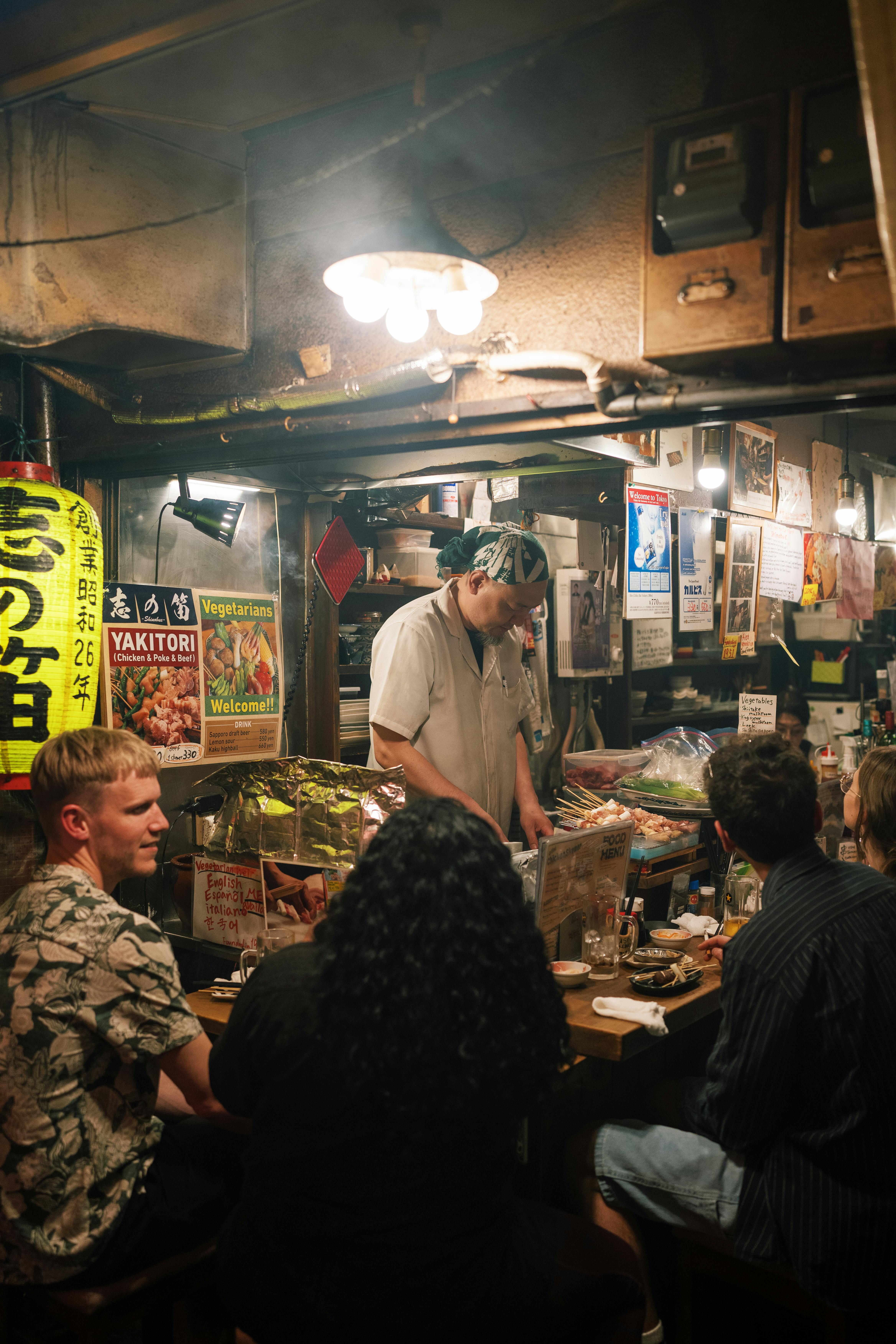
Monocle’s Tokyo travel guide is equally attentive to everyday brilliance. Its ramen picks favor shops with real broth complexity and minimal waiting gimmicks. Its izakaya selections lean toward neighborhood institutions where salarymen and designers alike decompress over yakitori and cold Sapporo. This democratic approach to food writing is one of the guide’s most enduring qualities.
Where to Stay: Monocle’s Hotel Picks for Tokyo
Monocle’s Tokyo Travel Guide — the best companion for your Japan trip, according to many seasoned travelers — applies its curation instincts just as rigorously to accommodation as it does to food and culture. The guide consistently favors properties with strong design identities, genuine connections to their neighborhoods, and staff who know their city.
Boutique and Design Hotels
Small, architecturally considered hotels in areas like Aoyama, Minami-Aoyama, and Higashi-Shinjuku regularly feature in Monocle’s recommendations. These properties often work with celebrated Japanese architects or interior designers to create spaces that feel both contemporary and deeply rooted in local craft traditions.
Traditional Ryokan Experiences
The guide also helps travelers identify ryokan options accessible from central Tokyo — particularly in the Bunkyo and Taito wards — where tatami rooms, futon sleeping, and kaiseki dinners offer a considered contrast to the city’s technological intensity. According to traveler discussions, the ryokan recommendations in the guide tend to be less well-known internationally, which means they retain a genuine local character.
Design, Architecture, and Shopping: Tokyo Through Monocle’s Eyes
If there is one domain where the Tokyo Monocle travel guide truly excels, it is design. Tokyo is arguably the world’s greatest city for architecture, product design, graphic identity, and craft retail — and Monocle navigates this landscape with unmatched authority.
The guide directs readers toward the gallery spaces of Minami-Aoyama, the furniture showrooms of Omotesando, and the tool shops and stationery retailers of Kanda. It identifies the bookshops, concept stores, and artisan workshops that reflect Tokyo’s extraordinary relationship with quality and attention to detail. Explore Tokyo with Monocle and you quickly realize the guide is as useful for design research as it is for tourism.
Many travelers mention that the shopping recommendations alone justify the price of the guide. Tokyo is one of the few cities where you can spend an entire day moving between independently run shops — ceramics, textiles, knives, whisky, vinyl — without encountering a single international chain.
Cultural Experiences Monocle Recommends in Tokyo
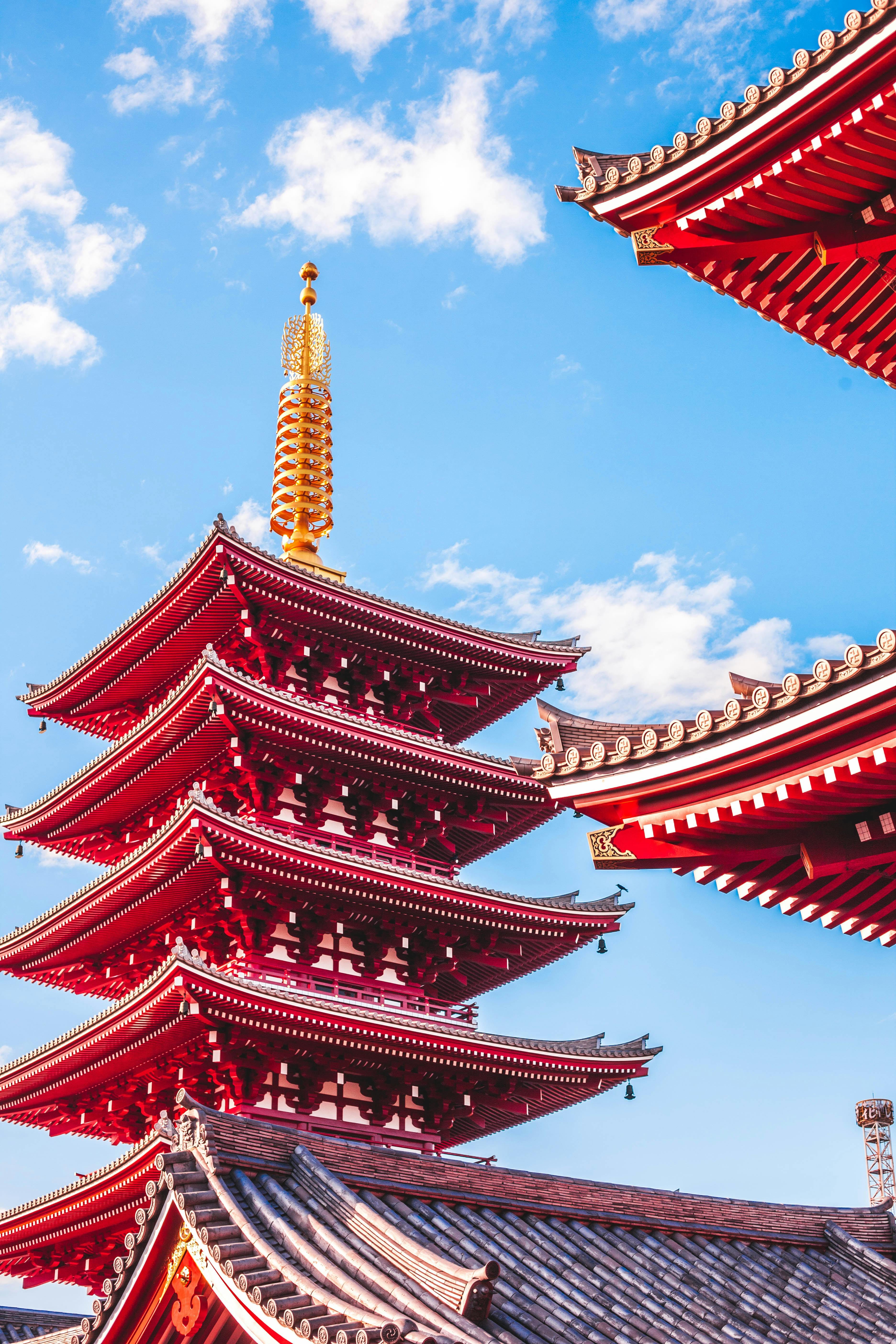
Beyond restaurants and shops, the Tokyo travel guide by Monocle curates a rich calendar of cultural experiences. This includes museum visits — the Nezu Museum, 21_21 Design Sight, and the Suntory Museum of Art all feature prominently — as well as more unexpected recommendations like attending a sumo morning practice session, visiting an udon-making studio in the outer suburbs, or catching a contemporary dance performance in one of the city’s many independent arts spaces.
The guide also pays close attention to Tokyo’s extraordinary public bathing culture. The neighborhood sento (public bathhouse) is one of the city’s most democratic institutions, and Monocle consistently recommends experiencing it — particularly the beautifully renovated historic sentos that are increasingly popular among design-conscious locals.
What Real Travelers Say: Insights from the Community
Drawing from discussions across Reddit (particularly r/JapanTravel and r/Tokyo) and Quora, a clear picture emerges of how real travelers experience the Tokyo Monocle travel guide in practice.
Many travelers mention that the guide works best as a starting point rather than a rigid itinerary. Its recommendations carry weight precisely because they are opinionated, but frequent visitors report that the best approach is to use Monocle’s neighborhood frameworks as orientation and then allow for spontaneous discoveries within those areas.
According to traveler discussions, one of the guide’s most practical advantages is its compactness. Unlike multi-hundred-page guidebooks, the Monocle format is designed to be carried easily — read on the plane, consulted at a coffee counter, tucked into a jacket pocket. Several travelers note that they re-read the Tokyo sections on return visits and consistently find new details they had missed the first time.
Frequent visitors also report that the guide ages better than most. While individual restaurant and hotel recommendations inevitably change over time, Monocle’s neighborhood narratives and cultural observations remain relevant for years, giving the guide a durability that purely listing-based competitors cannot match.
A commonly noted limitation, drawn from traveler discussions, is that the guide’s curation can feel skewed toward the wealthy. Some budget travelers point out that the price points assumed in the accommodation and dining sections reflect the tastes of a particular kind of international traveler. This is a fair observation, though many argue that even using the guide for inspiration — rather than following its specific recommendations — yields significant dividends.
Common Mistakes First-Time Visitors Make (and What Monocle Gets Right)
Based on patterns observed across traveler discussions on Reddit and Quora, first-time visitors to Tokyo tend to make several predictable errors — many of which the Monocle guide implicitly addresses through its editorial approach.
The most frequently cited mistake is trying to cover too much ground in too little time. Tokyo is not a city that rewards frantic ticking of attractions. Monocle’s neighborhood focus actively discourages this approach by encouraging deep immersion in two or three areas per day rather than shallow visits to a dozen landmarks.
A second common error is underestimating the role of craft and tactile experience in Tokyo’s culture. Many travelers mention arriving expecting technology spectacle and being surprised to find that Tokyo’s most profound pleasures are often analogue — the weight of a well-made kitchen knife, the texture of handmade washi paper, the choreography of a skilled soba chef. The Monocle guide consistently draws attention to these experiences.
Finally, many first-time visitors over-index on famous districts like Akihabara and Harajuku while ignoring the quieter, more residential neighborhoods where daily Tokyo life actually unfolds. Monocle’s consistent advocacy for places like Koenji, Sangenjaya, and Yanaka serves as a useful corrective to this tendency.
Practical Tips for Using the Tokyo Monocle Travel Guide
Getting the most from the guide involves a few straightforward habits. First, read the neighborhood introductions carefully before visiting each area — Monocle’s contextual framing significantly enriches what you actually see when you arrive. Second, use the guide’s recommendations as anchors rather than constraints: knowing where you want to have lunch gives you the freedom to wander more adventurously in the morning.
Many travelers also recommend pairing the Monocle guide with a current transport app. Tokyo’s train system is genuinely intuitive once you understand the zone logic, and apps like Google Maps or Hyperdia make navigating between Monocle’s recommended stops straightforward. The guide itself does not attempt to replace transport logistics — it focuses entirely on what to do once you arrive.
If you are traveling during cherry blossom season (late March to early April) or autumn foliage season (mid-November), booking accommodation several months in advance is essential. Monocle’s hotel picks are consistently popular, and availability can be limited during peak periods.

How the Tokyo Monocle Travel Guide Compares to Other Options
The travel guide market for Tokyo is competitive. Lonely Planet, Time Out, and an expanding universe of travel blogs all compete for the same readership. What distinguishes the Tokyo travel guide by Monocle is the consistency of its editorial voice and the clarity of its values. It knows what it cares about — design, craft, independent business, urban culture — and it pursues those values relentlessly.
For travelers whose priorities align with Monocle’s sensibility, this consistency is enormously valuable. You quickly learn to trust the guide’s instincts because they are coherent and explicable. For travelers with very different priorities — adventure tourism, budget travel, nightclub culture — the guide will naturally feel less relevant.
It is also worth noting that the Monocle Tokyo guide is complemented by an ongoing stream of Tokyo coverage in the magazine itself, in the Monocle podcast, and on the Monocle website. Travelers who subscribe to the Monocle ecosystem benefit from a continuously updated flow of Tokyo intelligence that extends well beyond the printed guide.
Read More: https://monocle.com/travel/city-guides/tokyo/
Why the Tokyo Monocle Travel Guide Belongs in Your Carry-On
The Tokyo Monocle travel guide occupies a unique and valuable position in the crowded world of travel publishing. It is not trying to be comprehensive. It is not trying to appeal to everyone. Instead, it does something more difficult and more useful: it offers a coherent, expertly curated, beautifully presented vision of what Tokyo can be for the kind of traveler who values quality, authenticity, and depth of experience over mere box-ticking.
Whether you are drawn to Tokyo for its food, its design, its architecture, its culture, or simply its overwhelming, exhilarating energy, the Monocle guide will sharpen your experience. It will tell you where to go, what to order, and how to see the city’s best self — all without ever feeling like a corporate product or a sponsored listicle.
Monocle’s Tokyo Travel Guide is, in the truest sense, a companion. It respects your intelligence, trusts your curiosity, and rewards your attention. For travelers who approach a new city the way they approach a great book — with patience, openness, and a willingness to go where the narrative leads — it is difficult to imagine a better guide to one of the world’s most extraordinary urban experiences.
Pack it alongside your JR Pass and your best walking shoes. Tokyo is waiting.