

Determining the best time to visit Singapore is essential for maximizing your experience in this extraordinary city-state where East meets West in perfect harmony. Singapore offers world-class attractions, culinary excellence, and cultural diversity year-round, but understanding seasonal variations in weather patterns, tourist volumes, pricing, and special events empowers you to choose the perfect dates aligned with your travel style and budget.
As a tropical island nation positioned just one degree north of the equator, Singapore maintains consistently warm temperatures throughout the year. However, distinct patterns emerge regarding rainfall intensity, humidity levels, crowd densities, accommodation costs, and cultural celebrations. This comprehensive guide examines every critical factor you need to consider when planning your Singapore adventure, ensuring you experience this remarkable destination at its absolute best.

Understanding Singapore’s Tropical Climate
Year-Round Weather Characteristics
Singapore experiences a tropical rainforest climate with remarkable temperature consistency but notable variations in precipitation. Understanding singapore weather by month provides the foundation for smart travel planning.
Temperature Patterns:
- Average daily temperatures range from 25°C to 31°C (77°F to 88°F) throughout the year
- Minimal temperature fluctuation between months (typically only 1-2°C variance)
- Nighttime temperatures rarely drop below 24°C (75°F)
- Heat index often feels higher due to humidity
- No true “winter” or “summer” seasons in the traditional sense
Humidity Levels:
- Consistently high humidity ranging from 80-90% year-round
- Early morning humidity peaks around 90%
- Afternoon humidity drops to approximately 60-70%
- Air-conditioned environments provide constant relief
- Acclimatization typically takes 2-3 days for visitors
Sunshine Hours:
- Average of 5-6 hours of sunshine daily
- Cloud cover common but doesn’t significantly reduce temperatures
- UV index remains high regardless of cloud cover (sunscreen essential)
- Dramatic tropical sunsets year-round
The Monsoon System Explained
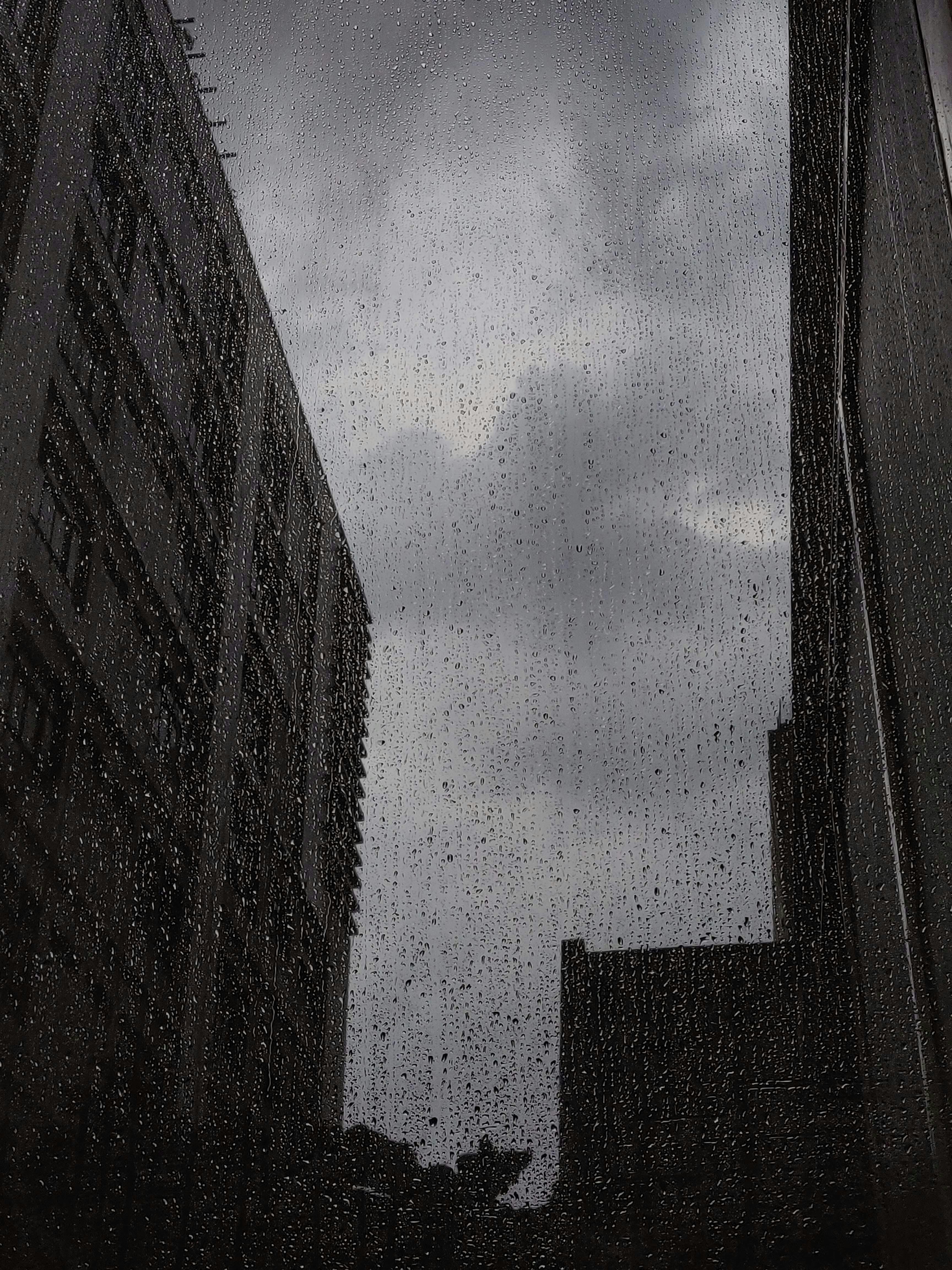
Singapore’s weather is fundamentally influenced by two distinct monsoon periods that dictate rainfall patterns and overall conditions.
Northeast Monsoon (December to Early March):
- The primary wet season with most intense rainfall
- December and January consistently record highest monthly precipitation
- Average rainfall: 240-280mm per month during peak months
- Frequent afternoon and evening thunderstorms
- Storms can be intense but typically brief (30-60 minutes)
- Slightly cooler temperatures due to persistent cloud cover
- Higher humidity levels throughout the day
- Potential for extended rainy periods of 2-3 days
Southwest Monsoon (June to September):
- Generally drier than the northeast monsoon
- Less predictable rainfall patterns
- Afternoon thunderstorms still occur but less frequently
- Potential for regional haze from Indonesian forest fires (particularly August-October)
- Haze severity varies annually based on fire activity
- Air quality can be affected during severe haze episodes
- Clearer mornings with afternoon storm development
Inter-Monsoon Periods (April-May and October-November):
- Transitional weather characterized by light, variable winds
- Sudden, intense afternoon thunderstorms most common
- Highest humidity levels of the year
- Brief but powerful rain showers with minimal warning
- Relatively calm mornings with deteriorating afternoon conditions
- Highest temperatures often recorded during these periods
The Absolute Best Time to Visit Singapore
After comprehensive analysis of weather data, tourist statistics, pricing trends, and event calendars, the best time to visit singapore for most travelers is late February through April.
Why Late February to April Stands Out
Late February:
- Post-monsoon recovery with rapidly decreasing rainfall
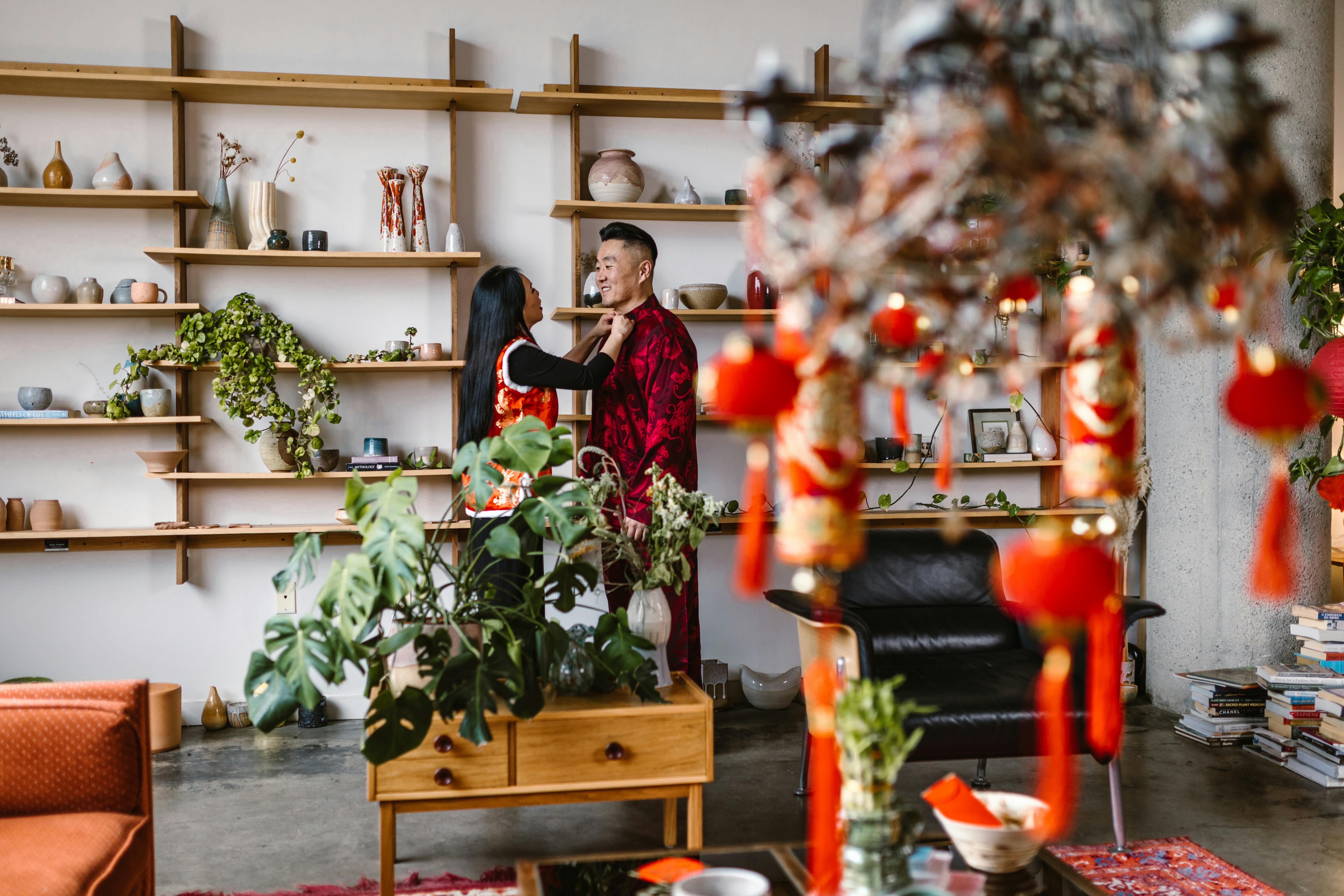
- Chinese New Year festivities create an electrifying atmosphere
- Cultural celebrations showcase Singapore’s multicultural heritage
- Pleasant weather emerges for comfortable outdoor exploration
- Lower humidity compared to monsoon months
- Tourist volumes moderate after peak holiday period
March:
- Statistically one of the driest months of the entire year
- Optimal temperatures for extended sightseeing sessions
- Minimal rain interruptions for outdoor activities and beach visits
- Excellent balance between weather quality and crowd levels
- Hotel rates more reasonable than peak season
- Perfect conditions for photography and outdoor dining
April:
- Exceptional weather conditions before inter-monsoon transition
- Spring break crowds begin to subside by mid-month
- Ideal for all outdoor attractions including Sentosa Island
- Various food festivals and cultural events
- Comfortable evening temperatures for night markets and rooftop bars
- Gardens and parks display vibrant tropical blooms
This three-month window represents the best season to visit Singapore for the optimal combination of weather reliability, comfortable conditions for both indoor and outdoor activities, reasonable pricing, and manageable tourist volumes.
Comprehensive Monthly Analysis
January: New Year and Wet Season
Weather Conditions:
- Northeast monsoon peak continues
- Average rainfall: 240mm
- Daily temperatures: 24-30°C (75-86°F)
- High humidity levels around 85%
- Frequent afternoon thunderstorms
Tourist Volumes:
- High during first week (New Year celebrations)
- Moderate to low from mid-January onward
- Post-holiday exodus creates opportunities
Pricing:
- Elevated during first week
- Drops significantly after January 10
- Good deals emerge mid-month
Key Events:
- New Year celebrations
- Shopping sales begin
- Thaipusam (Hindu festival, dates vary)
Verdict: Good for bargain hunters after the first week, despite regular rainfall. Indoor attractions shine during wet weather.
February: Cultural Celebrations Peak
Weather Conditions:
- Monsoon weakening, improving conditions
- Average rainfall: 160mm (significant decrease)
- Temperatures: 24-31°C (75-88°F)
- Humidity moderating to 80-84%
- Increasing sunny periods
Tourist Volumes:
- Moderate increasing to high during Chinese New Year
- CNY crowds concentrated in specific areas (Chinatown, Marina Bay)
- Post-CNY period very pleasant for sightseeing
Pricing:
- Higher during Chinese New Year week
- Premium rates for hotels in central areas
- Moderate pricing before and after CNY
Key Events:
- Chinese New Year (dates vary, late January to mid-February)
- Chingay Parade (Asia’s largest street performance)
- River Hongbao celebrations
Verdict: Exceptional month for cultural immersion. Time your visit for post-CNY period if avoiding crowds, or embrace the festivities for unforgettable experiences.
March: Premium Weather Window
Weather Conditions:
- One of the driest, most reliable months
- Average rainfall: 170mm
- Temperatures: 24-31°C (75-88°F)
- Lower humidity (78-82%)
- Consistent sunshine with occasional brief showers
Tourist Volumes:
- Moderate throughout the month
- Family travelers during school break periods
- Business travelers for conferences
Pricing:
- Moderate across accommodations
- Better availability than peak months
- Good value for quality hotels
Key Events:
- Various food festivals
- Arts and cultural exhibitions
- Business conventions
Verdict: One of the absolute best months overall. Excellent weather, manageable crowds, and reasonable prices create ideal conditions.
April: Shoulder Season Excellence
Weather Conditions:
- Inter-monsoon transition begins late month
- Average rainfall: 180mm
- Temperatures: 25-32°C (77-90°F)
- Humidity increasing to 82-85%
- More frequent afternoon thunderstorms toward month-end
Tourist Volumes:
- Moderate decreasing as month progresses
- Easter holiday spike early month
- Generally comfortable crowd levels
Pricing:
- Moderate throughout
- Some promotions emerge late month
- Good advance booking opportunities for May-June
Key Events:
- Good Friday (public holiday)
- Various food and cultural festivals
- Gardens in bloom
Verdict: Excellent month combining great weather early on with decreasing crowds. Book outdoor activities for mornings.
May: Inter-Monsoon Transition
Weather Conditions:
- Inter-monsoon period fully established
- Average rainfall: 180mm
- Temperatures: 25-32°C (77-90°F)
- High humidity (83-86%)
- Frequent afternoon thunderstorms
- Morning sunshine common
Tourist Volumes:
- Lower than surrounding months
- Pre-summer lull
- Excellent for crowd-averse travelers
Pricing:
- Moderate to lower
- Good hotel deals available
- Airlines offer promotions
Key Events:
- Vesak Day (Buddhist celebration)
- Hari Raya Puasa (Islamic celebration, dates vary)
- Dragon Boat Festival
Verdict: Great value month for budget-conscious travelers willing to work around afternoon storms. Plan outdoor activities for mornings.
June: Summer Season Begins
Weather Conditions:
- Southwest monsoon establishes
- Average rainfall: 160mm
- Temperatures: 25-32°C (77-90°F)
- Moderate humidity (80-84%)
- Generally drier than May
Tourist Volumes:
- Increasing rapidly with school holidays
- Family travelers arrive in force
- Popular attractions busier
Pricing:
- Rising across all categories
- Premium rates for family-friendly hotels
- Advance booking essential for good rates
Key Events:
- Great Singapore Sale begins
- School holidays start
- Dragon Boat Racing
Verdict: Marks transition to peak season. Good weather but increasing crowds and prices. Shopping opportunities excellent.
July: Peak Tourist Season
Weather Conditions:
- Southwest monsoon continues
- Average rainfall: 160mm
- Temperatures: 25-32°C (77-90°F)
- Humidity: 80-84%
- Occasional afternoon showers
Tourist Volumes:
- Very high (peak season)
- School holidays in full swing globally
- Major attractions extremely busy
- Long queues at popular sites
Pricing:
- High across hotels, tours, and attractions
- Premium rates everywhere
- Limited availability for popular properties
Key Events:
- Singapore Food Festival
- Great Singapore Sale continues
- School holiday programs
Verdict: Vibrant, energetic atmosphere but crowded and expensive. Book well in advance. Consider off-peak visiting hours for attractions.
August: Continued Peak with Haze Risk
Weather Conditions:
- Southwest monsoon continues
- Average rainfall: 180mm
- Temperatures: 25-31°C (77-88°F)
- Potential haze from regional fires (air quality varies)
- PSI (Pollutant Standards Index) can spike
Tourist Volumes:
- Very high through mid-month
- School holidays continue
- Moderate decrease late month
Pricing:
- High through mid-month
- Beginning to moderate late August
- Better deals emerge after August 20
Key Events:
- National Day (August 9) – major celebrations
- National Day Parade (spectacular event)
- Hungry Ghost Festival
Verdict: National Day celebrations worth experiencing despite crowds and potential haze. Air quality variable depending on regional fire activity.
September: Transition from Peak Season
Weather Conditions:
- Southwest monsoon weakening
- Average rainfall: 170mm
- Temperatures: 24-31°C (75-88°F)
- Variable weather patterns
- Afternoon thunderstorms common
Tourist Volumes:
- High during Formula 1 Grand Prix weekend
- Moderate otherwise
- Decreasing after summer holidays end
Pricing:
- Very high during F1 weekend (mid-month)
- Moderate during non-F1 weeks
- Good deals available early and late month
Key Events:
- Singapore Formula 1 Grand Prix (major event)
- Mid-Autumn Festival
- Singapore Grand Prix concerts and entertainment
Verdict: Fantastic month for Formula 1 enthusiasts. Avoid F1 weekend if seeking budget travel. Post-F1 period offers good value.
October: Inter-Monsoon Returns
Weather Conditions:
- Inter-monsoon period begins
- Average rainfall: 190mm
- Temperatures: 24-31°C (75-88°F)
- Frequent intense afternoon thunderstorms
- High humidity (83-86%)
Tourist Volumes:
- High during F1 weekend if extends into October
- Moderate to high during Deepavali
- Generally moderate otherwise
Pricing:
- Elevated during major events
- Moderate otherwise
- Good mid-week deals
Key Events:
- Deepavali (Festival of Lights)
- Little India celebrations
- Various arts festivals
Verdict: Culturally rich month with Deepavali celebrations. Expect regular afternoon storms but excellent cultural experiences.
November: Pre-Monsoon Period
Weather Conditions:
- Inter-monsoon continues, transitioning to northeast monsoon
- Average rainfall: 250mm
- Temperatures: 24-30°C (75-86°F)
- Increasing rainfall frequency and intensity
- Thunderstorms more frequent
Tourist Volumes:
- Lower than summer months
- Pre-holiday lull
- Better availability at attractions
Pricing:
- Moderate across accommodations
- Good deals available
- Early December booking prices rising
Key Events:
- Deepavali (early month if not in October)
- Various cultural festivals
- Christmas decorations begin appearing
Verdict: One of the cheapest time to visit singapore despite increasing rainfall. Excellent value for budget travelers.
December: Festive Season and Wettest Month
Weather Conditions:
- Northeast monsoon peak
- Average rainfall: 280mm (wettest month)
- Temperatures: 24-30°C (75-86°F)
- Frequent heavy rainfall
- Extended rainy periods possible
Tourist Volumes:
- Very high (second peak season)
- Christmas and New Year crowds massive
- Family travelers dominate
Pricing:
- Highest of the entire year
- Premium rates everywhere
- Limited availability
Key Events:
- Christmas celebrations citywide
- Orchard Road light displays
- New Year’s Eve Marina Bay celebrations
- Year-end shopping sales
Verdict: Magical festive atmosphere but wettest and most expensive month. Book 3-4 months in advance if visiting during holidays.
Finding the Cheapest Time to Visit Singapore
Budget-conscious travelers seeking the cheapest time to visit singapore should target specific periods when accommodation, flights, and overall costs drop significantly.
Optimal Budget Months
Primary Budget Window (May and November):
- Lowest tourist volumes outside holiday periods
- Hotel rates 20-40% cheaper than peak season
- Flight deals more abundant
- Better availability across all accommodation types
- Attraction tickets at standard prices (no premium)
- Restaurant reservations easier to secure
Secondary Budget Period (Early January):
- Post-New Year pricing drops
- Hotels discount heavily January 10-31
- Airlines clear inventory with sales
- Fewer crowds at all attractions
Advanced Money-Saving Strategies
Accommodation Optimization:
- Weekday stays: Sunday-Thursday rates 15-25% lower than weekends
- Boutique hotels: Often better value than international chains
- Booking platforms: Compare Agoda, Booking.com, hotel direct rates
- Package deals: Flight + hotel bundles save 10-20%
- Loyalty programs: Marriott, Hilton, Accor points offer value
Timing Tactics:
- Shoulder periods: Week before/after peak seasons
- Advance booking: 60-90 days optimal for best rates
- Last-minute deals: Within 7 days can offer savings (risky)
- Monday arrivals: Fewer business travelers, better rates
Attraction Savings:
- Bundled tickets: Singapore Tourist Pass covers multiple sites
- Online booking: 5-10% cheaper than gate prices
- Off-peak hours: Some attractions discount after 4 PM
- Free activities: Gardens by the Bay outdoor gardens, beaches, temples
- Hawker centers: Authentic meals for $3-8 USD
Understanding Peak Tourist Season in Singapore
Navigating peak tourist season in singapore requires strategic planning to manage crowds and costs effectively.
Primary Peak Season (June-August)
Characteristics:
- Summer holidays in North America, Europe, Australia
- School vacations globally overlap
- Family travel peaks dramatically
- All major attractions experience longest wait times
- Hotel occupancy rates exceed 85%
- Premium pricing across all tourism sectors
Crowd Management Strategies:
- Early bird advantage: Arrive at attractions at opening (9-10 AM)
- Weekday preference: Visit Monday-Thursday when possible
- Online tickets: Skip queues with pre-booked entries
- Popular attractions: Universal Studios, SEA Aquarium busiest 11 AM-4 PM
- Alternative timing: Visit Gardens by the Bay at sunset (less crowded)
Secondary Peak Season (December-Early January)
Characteristics:
- Christmas and New Year celebrations
- Southeast Asian regional holidays
- Chinese tourists during winter break
- Corporate year-end travel
- Shopping season attracts regional visitors
Holiday-Specific Considerations:
- Christmas week: Most expensive and crowded period annually
- New Year’s Eve: Marina Bay area extremely crowded
- Shopping malls: Orchard Road packed on weekends
- Restaurants: Reservations essential, walk-ins challenging
- Transportation: Taxis and ride-shares surge pricing
Special Event Peaks
Chinese New Year (Late January/February):
- 2-week surge in visitors and prices
- Chinatown and Marina Bay extremely crowded
- Hotels command premium rates
- Many local businesses close 2-3 days during festivities
- Public transportation crowded
Formula 1 Grand Prix (September):
- Massive international crowd for race weekend
- Hotels triple their rates near Marina Bay
- Traffic disruptions around race circuit
- Restaurant reservations impossible near event area
- Book 4-6 months in advance if attending
Best Time to Travel to Singapore for Sightseeing
The best time to travel to singapore for sightseeing varies by activity type and personal preferences.
Outdoor Attractions Optimal Periods
Prime Outdoor Months: February, March, July
Gardens by the Bay:
- Best visited: February-April (driest months)
- Morning hours (9-11 AM) most comfortable
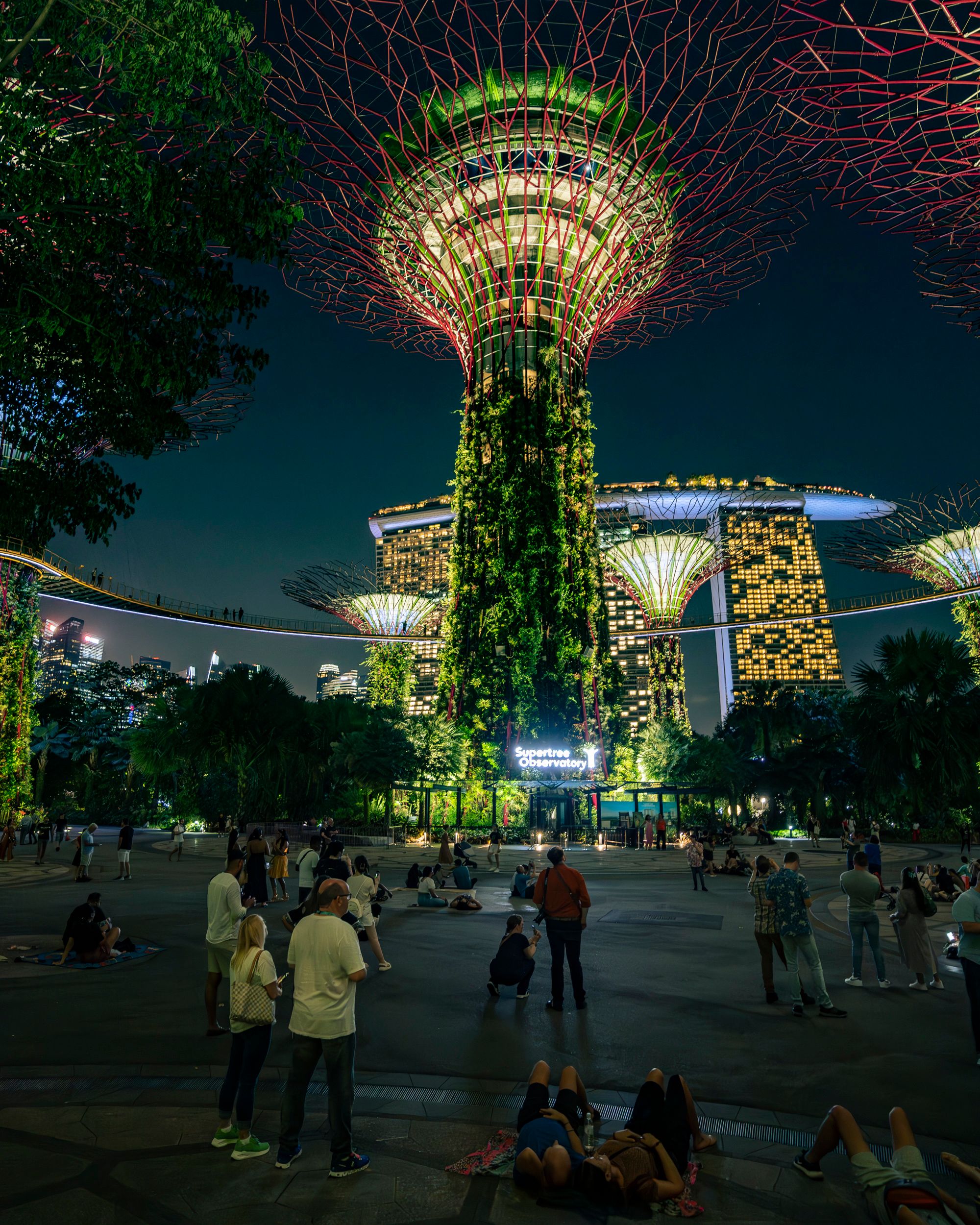
- Supertree light show at 7:45 PM and 8:45 PM (year-round)
- Flower Dome and Cloud Forest indoor (comfortable any time)
Singapore Zoo and Night Safari:
- Optimal: February-April, July-August (less rain)
- Zoo best visited: Morning (cooler, animals more active)
- Night Safari: 7:30 PM opening regardless of season
- River Wonders: Indoor-outdoor mix, good year-round
Sentosa Island:
- Beach season: February-April, June-August
- Water activities best in calmer seas (avoid November-January)
- Universal Studios: Indoor-outdoor mix, manageable most months
- S.E.A. Aquarium: Indoor, perfect rain backup
Nature Reserves:
- MacRitchie Reservoir TreeTop Walk: February-April (less muddy)
- Southern Ridges: Early morning year-round (avoid afternoon heat)
- Pulau Ubin: Dry months best for cycling
Urban Sightseeing Year-Round
Always Comfortable (Indoor/Covered):
Marina Bay Area:
- Marina Bay Sands SkyPark: Indoor observation, any weather
- ArtScience Museum: Fully indoor
- Merlion Park: Covered walkways nearby for rain shelter
- Esplanade – Theatres on the Bay: Indoor performances
Shopping and Malls:
- Orchard Road: Connected underground walkways
- Marina Bay Sands mall: Complete indoor complex
- VivoCity: Massive air-conditioned shopping
- Jewel Changi Airport: Climate-controlled environment
Cultural Districts:
- Chinatown: Covered walkways, temples accessible in rain
- Little India: Mix of covered and open areas
- Kampong Glam: Arab Street shops mostly covered
- National Gallery Singapore: Fully indoor, world-class art
Photography Considerations
Best Months for Photography:
Landscape and Cityscape (February, March, July):
- Clearer skies for skyline shots
- Better natural lighting
- Dramatic clouds without constant rain
- Sunset photography more reliable
Cultural Photography (February, October):
- Chinese New Year: Vibrant decorations, lion dances
- Deepavali: Light displays in Little India
- Cultural festivals offer unique opportunities
Night Photography (Year-Round):
- Marina Bay light shows consistent
- Supertree Grove light displays nightly
- Urban night scenes possible any month
- Singapore Flyer excellent for aerial night shots
Special Considerations for Different Traveler Types
Families with Children
Optimal Months: March, April, June, July
Advantages:
- School holiday overlap enables family travel
- Excellent weather for outdoor attractions
- Kid-friendly events and programs
- Water activities at Sentosa beaches
Family-Specific Tips:
- Universal Studios: Arrive at opening to maximize rides
- Zoo: Morning visits when animals most active
- KidZania: Weekdays less crowded than weekends
- Swimming pools: Most hotels have excellent facilities
- Hawker centers: Kid-friendly food options, affordable
Avoid: December (too crowded and expensive for family budgets)
Business Travelers
Optimal Months: February, March, September, October
Business District Advantages:
- Major conferences and trade shows
- Professional networking events
- Marina Bay business hub accessibility
- Excellent connectivity and infrastructure
Business Travel Tips:
- Hotels: Raffles Place and Marina Bay for business district proximity
- Transportation: MRT extremely efficient for meetings
- Restaurants: Reserve for business dinners 1-2 weeks ahead
- Workspaces: Excellent co-working spaces throughout city
- Connectivity: Exceptional WiFi and mobile networks
Budget Backpackers and Solo Travelers
Optimal Months: May, November
Budget Advantages:
- Hostel rates lowest during these months
- Fewer tourists at free attractions
- Street food prices consistent year-round
- Accommodation savings significant
Budget Travel Strategies:
- Accommodation: Little India and Chinatown hostels excellent value
- Food: Hawker centers offer meals for $3-5 USD
- Transportation: MRT incredibly affordable and efficient
- Free activities: Gardens, temples, beaches, nature walks
- Walking tours: Many free walking tours available
Luxury and Honeymoon Travelers
Optimal Months: February, March, April
Luxury Experience Advantages:
- Optimal weather for premium experiences
- Best conditions for rooftop bars and infinity pools
- Comfortable for luxury shopping on Orchard Road
- Fine dining al fresco possible
Luxury Recommendations:
- Hotels: Raffles, Marina Bay Sands, Capella Sentosa
- Dining: Reserve Michelin-starred restaurants weeks ahead
- Experiences: Private yacht charters, helicopter tours
- Shopping: Orchard Road luxury boutiques
- Spas: World-class wellness facilities
Photography Enthusiasts
Optimal Months: February, March, July
Photography Advantages:
- Clearer skies for optimal lighting
- Better conditions for outdoor shoots
- Less rain interference
- Dramatic sunset opportunities
Photography Locations:
- Sunrise: Marina Bay Sands rooftop, East Coast Park
- Daytime: Gardens by the Bay, Chinatown architecture
- Sunset: Sentosa beaches, Henderson Waves
- Night: Marina Bay skyline, Supertree light show
- Street: Little India, Haji Lane, Chinatown
Food and Culinary Travelers
Optimal Months: July (Food Festival), Any Month (Hawker Centers)
Culinary Scene Highlights:
- Hawker centers operate year-round
- Singapore Food Festival (July) showcases cuisine
- Michelin-starred hawker stalls offer affordable excellence
- Multicultural food scene unmatched
Culinary Experience Tips:
- Hawker centers: Maxwell, Lau Pa Sat, Tekka Centre
- Neighborhoods: Katong (Peranakan), Geylang (local)
- Fine dining: Reserve Burnt Ends, Odette, Les Amis ahead
- Food tours: Guided tours excellent for first-timers
- Cooking classes: Learn authentic techniques
Practical Planning Strategies
Essential Weather Preparedness
Regardless of when you determine is the best time to visit singapore for your needs, these weather strategies enhance every trip:
Rain Management:
- Compact umbrella: Essential year-round carry item
- Quick-dry clothing: Synthetic fabrics dry faster than cotton
- Waterproof bag: Protect electronics and documents
- Indoor backup plans: Always have rain alternatives ready
- Weather apps: Monitor radar for storm timing
Heat and Humidity Strategies:
- Lightweight fabrics: Cotton, linen, moisture-wicking materials
- Layering system: Bring light jacket for aggressive air-conditioning
- Hydration: Carry reusable water bottle, refill stations abundant
- Sunscreen: SPF 50+ essential despite cloud cover
- Breaks: Schedule indoor rest periods during peak heat (2-4 PM)
Advanced Booking Strategies
Accommodation Booking Timeline:
- Peak season (June-August, December): Book 90-120 days ahead
- Shoulder season (February-April, September-October): 60-90 days optimal
- Low season (May, November): 30-60 days sufficient
- Last-minute (within 7 days): Possible deals but risky
Flight Booking Optimization:
- International flights: Book 60-90 days ahead for best rates
- Price tracking: Use Google Flights, Skyscanner alerts
- Flexible dates: Check prices ±3 days from preferred dates
- Avoid weekends: Midweek flights often 10-20% cheaper
- Direct vs. connections: Singapore’s Changi Airport worth direct premium
Attraction Pre-Booking:
- Universal Studios: Book online 15-20% cheaper than gate
- Gardens by the Bay: Conservatories cheaper online
- Singapore Flyer: Sunset slots book early, reserve ahead
- Tours and experiences: Viator, Klook offer discounts
- Restaurant reservations: Fine dining requires 2-4 weeks notice
Crowd Avoidance Tactics
Daily Timing:
- Early morning: Attractions least crowded 9-11 AM
- Lunch hours: Indoor attractions busy 12-2 PM
- Late afternoon: Outdoor sites less crowded 4-6 PM
- Dinner time: Shopping areas quieter 6-8 PM
- Evening: Marina Bay area busy but manageable after 9 PM
Weekly Patterns:
- Weekdays: Always less crowded than weekends
- Sunday mornings: Many locals sleep in, good sightseeing time
- Friday evenings: Business district empties, Marina Bay fills
- Saturday: Busiest day at malls and attractions
- Public holidays: Similar to weekends, plan accordingly
Read More https://jetsettrail.com/italy-travel-restrictions/
Singapore’s Public Holidays and Their Impact
Understanding Singapore’s public holiday calendar helps optimize your visit:
Fixed Public Holidays:
- New Year’s Day (January 1)
- Chinese New Year (2 days, late January/February)
- Good Friday (March/April)
- Labour Day (May 1)
- Vesak Day (May, varies)
- National Day (August 9)
- Deepavali (October/November, varies)
- Christmas Day (December 25)
Impact on Travel:
- Attractions more crowded during public holidays
- Local families take short breaks
- Some businesses close for Chinese New Year
- Hotel rates increase slightly
- Public transportation busier
Health and Safety Considerations by Season
Health Precautions
Year-Round Health Tips:
- Hydration: Drink 2-3 liters water daily due to heat
- Sun protection: Reapply sunscreen every 2 hours
- Insect protection: Dengue prevention via mosquito repellent
- Food safety: Singapore has excellent food hygiene standards
- Medical facilities: World-class healthcare available
Seasonal Health Considerations:
Haze Season (August-October):
- Monitor PSI (Pollutant Standards Index) daily
- Reduce outdoor activities if PSI exceeds 100
- N95 masks helpful during severe haze
- Indoor attractions better during haze episodes
Rainy Season (November-January):
- Mosquito populations increase after rain
- Dengue fever prevention important
- Use insect repellent, especially outdoor areas
- Avoid standing water near accommodation
Travel Insurance Recommendations
Comprehensive coverage should include:
- Medical treatment and hospitalization
- Emergency evacuation
- Trip cancellation/interruption
- Baggage loss and delays
- COVID-19 related coverage (as applicable)
Read More URL: https://www.changiairport.com/
Making Your Final Decision on Timing
The ultimate best time to visit singapore depends on prioritizing factors most important to your travel style:
Choose February-April if you prioritize:
- Optimal weather with minimal rain disruption
- Balanced tourist volumes and pricing
- Maximum outdoor activity comfort
- Cultural festival experiences (Chinese New Year)
- Photography opportunities with clearer skies
- Comfortable evening activities
Choose May or November if you prioritize:
- Budget-friendly travel with significant savings
- Fewer crowds at major attractions
- Better hotel availability and rates
- Don’t mind afternoon thunderstorms
- Flexible schedule to work around weather
- Value over perfect conditions
Choose June-August if you need:
- Summer vacation timing for family travel
- Vibrant, energetic city atmosphere
- School holiday overlap for children
- Don’t mind premium pricing
- Willing to plan around crowds
- Shopping opportunities (Great Singapore Sale)
Choose September if you want:
- Formula 1 Grand Prix experience
- Post-summer crowd decrease
- Mid-Autumn Festival celebrations
- Good weather conditions
- Moderate pricing outside F1 weekend
Choose December if you love:
- Holiday festivities and Christmas atmosphere
- Year-end celebrations and events
- Orchard Road Christmas light displays
- Marina Bay New Year’s Eve fireworks
- Can afford peak season pricing
- Don’t mind wet weather
While Singapore welcomes visitors year-round with its exceptional infrastructure, world-class attractions, and remarkable cultural diversity, the best time to visit singapore for the majority of travelers remains late February through April. This golden window delivers the ideal combination of reliable weather, comfortable humidity levels, manageable tourist volumes, and reasonable pricing across accommodations and activities.
However, Singapore’s compact geographical size, extraordinarily efficient public transportation system, abundance of climate-controlled indoor attractions, and consistent year-round temperatures mean there truly is no inherently “bad” time to visit this remarkable city-state. Whether you’re seeking the best season to visit Singapore for unlimited outdoor adventures, hunting for the cheapest time to visit singapore to maximize your budget, planning around peak tourist season in singapore to experience maximum energy and events, or carefully studying singapore weather by month to optimize your specific activity preferences, this Lion City consistently delivers unforgettable experiences throughout all twelve months.
The key to planning your perfect Singapore journey lies in understanding your priorities—whether they’re weather-focused, budget-driven, event-centered, or crowd-averse—and aligning your visit dates with the periods that best match your preferences. By leveraging the comprehensive insights provided in this guide about seasonal weather patterns, tourist volume fluctuations, pricing variations, and special events, you’re now equipped to make an informed decision that ensures your Singapore adventure exceeds expectations.
Start planning your Singapore experience today by selecting your ideal travel window, booking accommodations well in advance during peak periods, preparing for tropical weather with appropriate clothing and accessories, and creating a balanced itinerary mixing indoor and outdoor attractions. This extraordinary fusion of Eastern traditions and Western modernity awaits with its perfect blend of cultural heritage, culinary excellence, architectural marvels, and natural beauty—ready to create memories that will last a lifetime regardless of which month you choose to explore its wonders.