

Rwanda is not a postcard fantasy; it is a living, breathing experience. Every smooth road, every conversation, every encounter with wildlife reveals a nation confident about its future. Travel to Rwanda is not about seeing “what’s left after history.” It is about witnessing what has been rebuilt, reborn, and relentlessly pushed forward.
Below, you’ll discover 10 reasons travel to Rwanda will be the most inspiring trip of your life. Each one goes beyond surface-level tourism and brings you face-to-face with the spirit of a country rising higher than anyone believed possible.
1. Travel to Rwanda for the Majestic Mountain Gorillas of Volcanoes National Park

At the heart of northwestern Rwanda, the lush slopes of Volcanoes National Park rise through mist and moss-covered forest. Your journey begins with a briefing by park rangers, followed by a guided trek through bamboo, wildflowers, and volcanic soil. You hear the forest first—birds fluttering above you, leaves brushing your boots, and the muted hum of mountain insects. And then, there they are.
A silverback, broad and confident, rests against vines. A juvenile tumbles nearby, testing its strength. A mother cradles a soft, wide-eyed infant. You are only a few meters away—close enough to feel the rhythm of their breath. Nothing compares to the moment when a gorilla looks directly at you. Time pauses. You’re reminded that life is ancient, fragile, and deeply interconnected.
Conservation with Purpose
Rwanda’s conservation efforts are not theatrical—they are practical and deeply rooted in community. Trekking fees help fund ranger programs, wildlife research, and nearby village development. Locals are not excluded from the tourism equation—they are part of it.
By choosing to travel to Rwanda, you support a model of wildlife protection that actually works: tourism as a tool for ecological and economic growth.
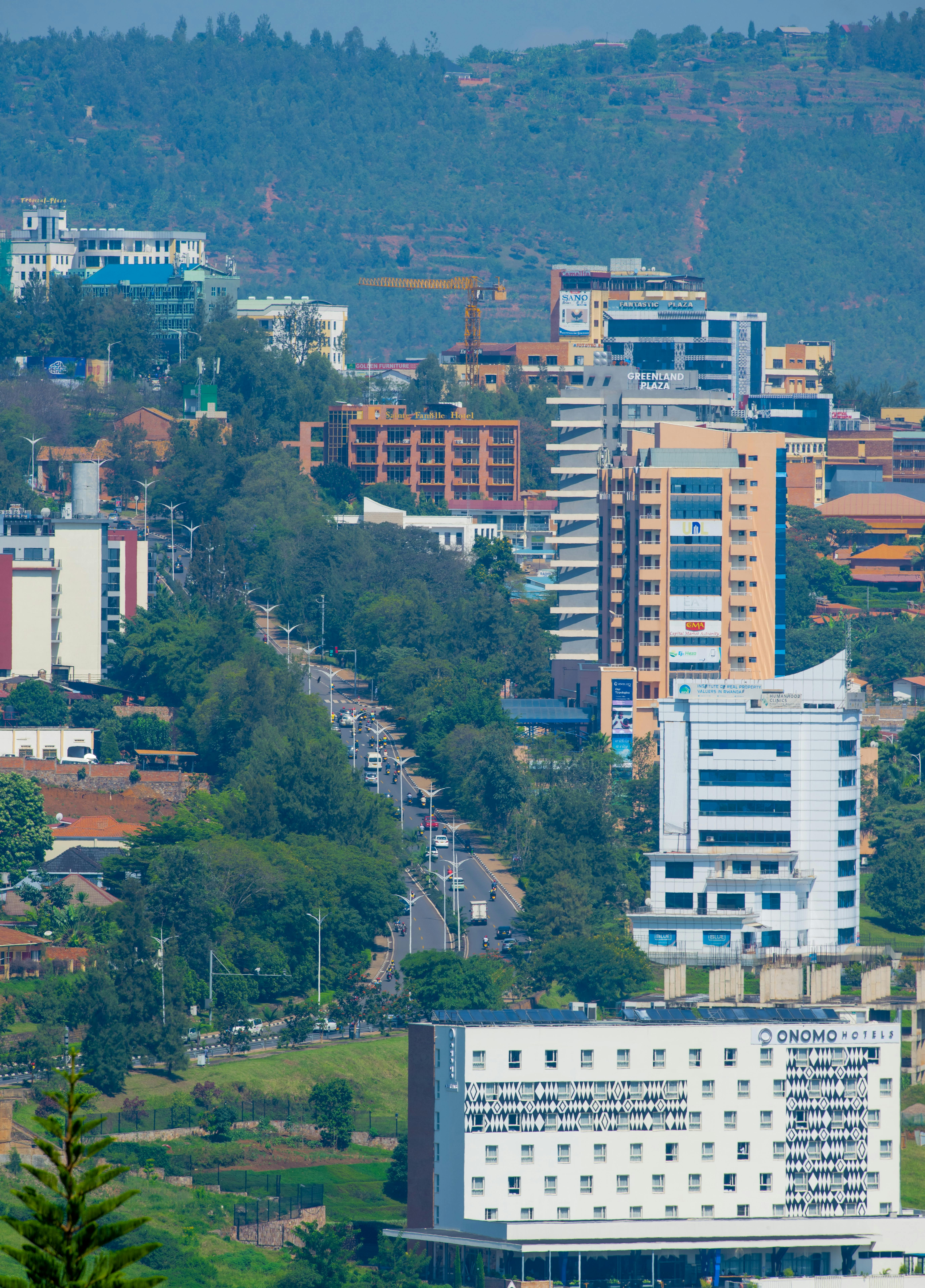
2. Travel to Rwanda to Experience Kigali—Africa’s Cleanest and Most Uplifting Capital
A City Built on Dignity and Renewal
To truly appreciate Kigali, you must understand its past. In 1994, Rwanda faced one of humanity’s darkest chapters. The aftermath could have broken the nation indefinitely. Instead, Kigali represents the blueprint for reinvention.
Order grows out of intention: environmental bans on plastic bags, community-led cleaning days called Umuganda, and an emphasis on shared responsibility. Every citizen is part of the solution.
Creativity and Culture at Every Corner
Outside the skyscrapers and wide roads, Kigali pulses with creativity. Start with the art galleries—Inema Arts Center, Indiyo Art Gallery, and the street murals around Kimihurura—each showcases young African artists reshaping the visual vocabulary of the continent.
Food follows the same philosophy. Cafés like Java House, the beautifully minimal Bamboo Rooftop Restaurant, and boutique bakeries offer modern dining with local flavors: passionfruit smoothies, grilled goat skewers, fried sambaza fish, and aromatic Rwandan coffee—some of the world’s best.
When you travel to Rwanda, Kigali becomes your anchor: a city that honors the past while architecting a hopeful future.
3. Travel to Rwanda to Understand History—The Kigali Genocide Memorial


Silence Speaks
You walk slowly through exhibits that combine survivor testimonies, photographs, personal belongings, and timelines. Each section is grounded in honesty. There is no sensationalization, no curated heroism. Only a plea to remember what happens when hatred becomes policy.
The gardens outside are peaceful. Visitors leave flowers, whisper prayers, or simply sit. The memorial is not only for Rwandans—it is for anyone who believes humanity can learn from its mistakes.
When you travel to Rwanda, this experience reshapes how you see its people: not as victims of tragedy, but as leaders of progress.
4. Travel to Rwanda for the Breathtaking Landscapes of Nyungwe Forest


Into the Wild
The forest is a tapestry of sounds: unseen wings brushing through treetops, branches snapping under the weight of monkeys, and the subtle rush of leaves when the wind grazes the mountains. Nyungwe hosts more than:
-
500 bird species
-
300 butterfly species
-
Over 200 varieties of trees
-
13 primate species, including chimpanzees
The Famous Canopy Walk
Suspended at about 60 meters above ground, Rwanda’s Canopy Walk bridges ecosystems. Beneath your feet: a wilderness untouched for millennia. Above you: open skies, glimmering shards of light cutting through palms and mahogany trunks.
This is why travelers call Nyungwe a meditation rather than a park. Visiting it teaches you to slow down, breathe deeply, and observe nature with reverence.
5. Travel to Rwanda for the Serenity of Lake Kivu

Healing in the Water
Locals believe Lake Kivu is therapeutic. It is unique among the Great Lakes because it lacks typical predators like hippos or crocodiles. This makes it ideal for:
-
Swimming
-
Kayaking
-
Paddle boarding
-
Lakeside picnics
-
Boat trips at sunset
You’ll meet fishermen who paddle at night, singing in harmony. Their voices bounce across the water, echoing like ancient lullabies. You realize that travel to Rwanda is not just about landscapes—it’s about intimate human moments that linger long after the journey ends.
6. Travel to Rwanda for wildlife beyond gorillas


The Return of the Big Five
Akagera is home to lions, rhinos, elephants, leopards, and buffalo. Reintroduction programs, vigilant protection, and community partnerships have transformed it into one of the most successful wildlife regeneration stories in Africa.
Safari here feels intimate. Instead of crowded caravans of trucks, you experience wide open savannahs, lakes where hippos nap, and acacia-covered hills where zebra graze in peace.
Boat safaris along Lake Ihema are unforgettable. Crocodiles stretch along the banks. Kingfishers dive across reflections. Every moment slows time.
This is travel to Rwanda—wild, healing, and hopeful.
7. Travel to Rwanda to Celebrate Culture, Music, and Vibrant Traditions
The Elegance of Intore Dance
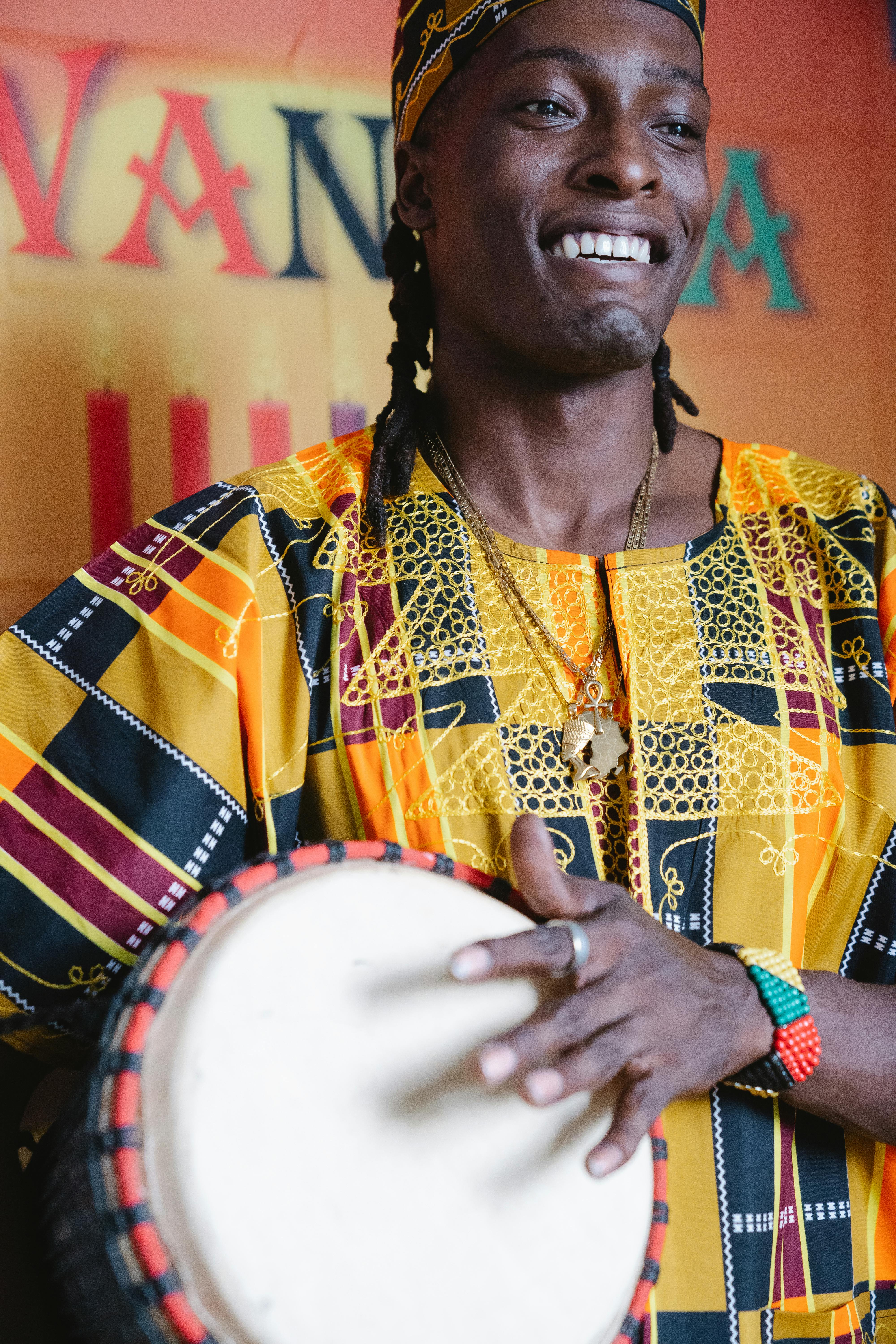
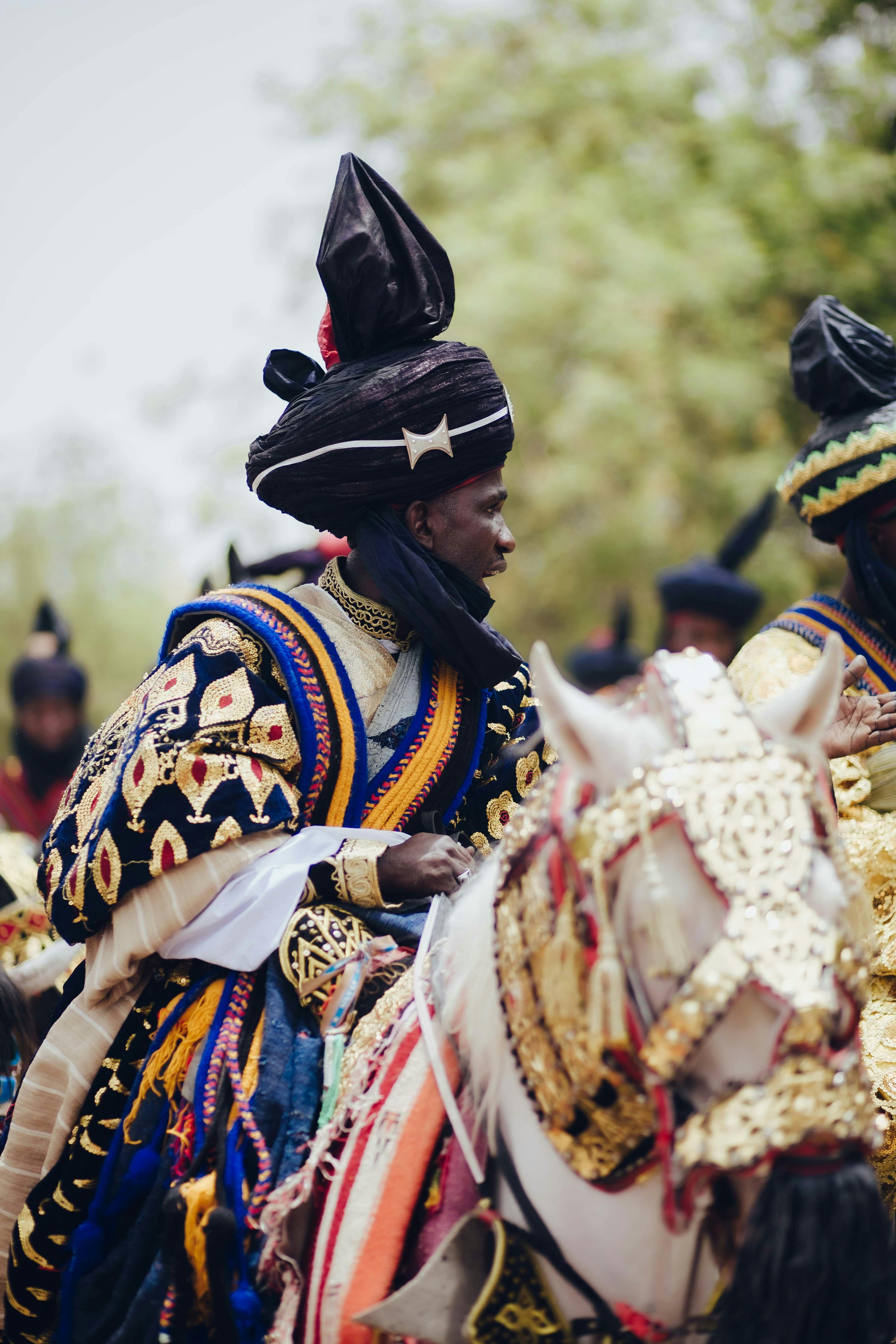
Rwanda’s famed Intore dancers perform with spears, drums, and regal attire. Their choreography is not aggressive; it is graceful, symbolizing strength, dignity, and unity. Watching an Intore troupe forces you to reconsider preconceived notions about African performance.
Craftsmanship
Rwanda is a hub of artisan ingenuity. Visit:
-
Nyamirambo markets
-
Kimironko market
-
Women’s cooperatives in Gisenyi and Musanze
Basket weaving, embroidery, beadwork, and pottery aren’t mass-produced—they are generational skills passed from mother to daughter.
Purchasing these pieces does more than fill a suitcase; it sustains communities, uplifts families, and honors ancestral traditions.
8. Travel to Rwanda to Taste Remarkable Food and Coffee


Dishes You Must Try
-
Isombe: mashed cassava leaves blended with groundnut sauce
-
Brochettes: grilled skewered meat, often beef or goat
-
Akabenz: slow-cooked pork with spices
-
Agatogo: plantain stew with vegetables or chicken
-
Ugali: staple maize dish served with sauces or stews
Rwanda’s agricultural advantage—fertile volcanic soil—produces some of the world’s richest bananas, avocados, sweet potatoes, and passionfruit.
The Coffee You Won’t Forget
Rwandan coffee is a traveler’s pilgrimage. Smooth, chocolatey, floral, and aromatic—it’s world-renowned for a reason. Coffee-washing stations like those around Lake Kivu allow visitors to trace each bean’s journey, from harvest to roasting.
If there is a moment when travel to Rwanda becomes a love story, it’s probably your first sip of fresh Rwandan espresso overlooking a misted hillside.
9. Travel to Rwanda to See Sustainability in Action

Umuganda: A Tradition of Unity
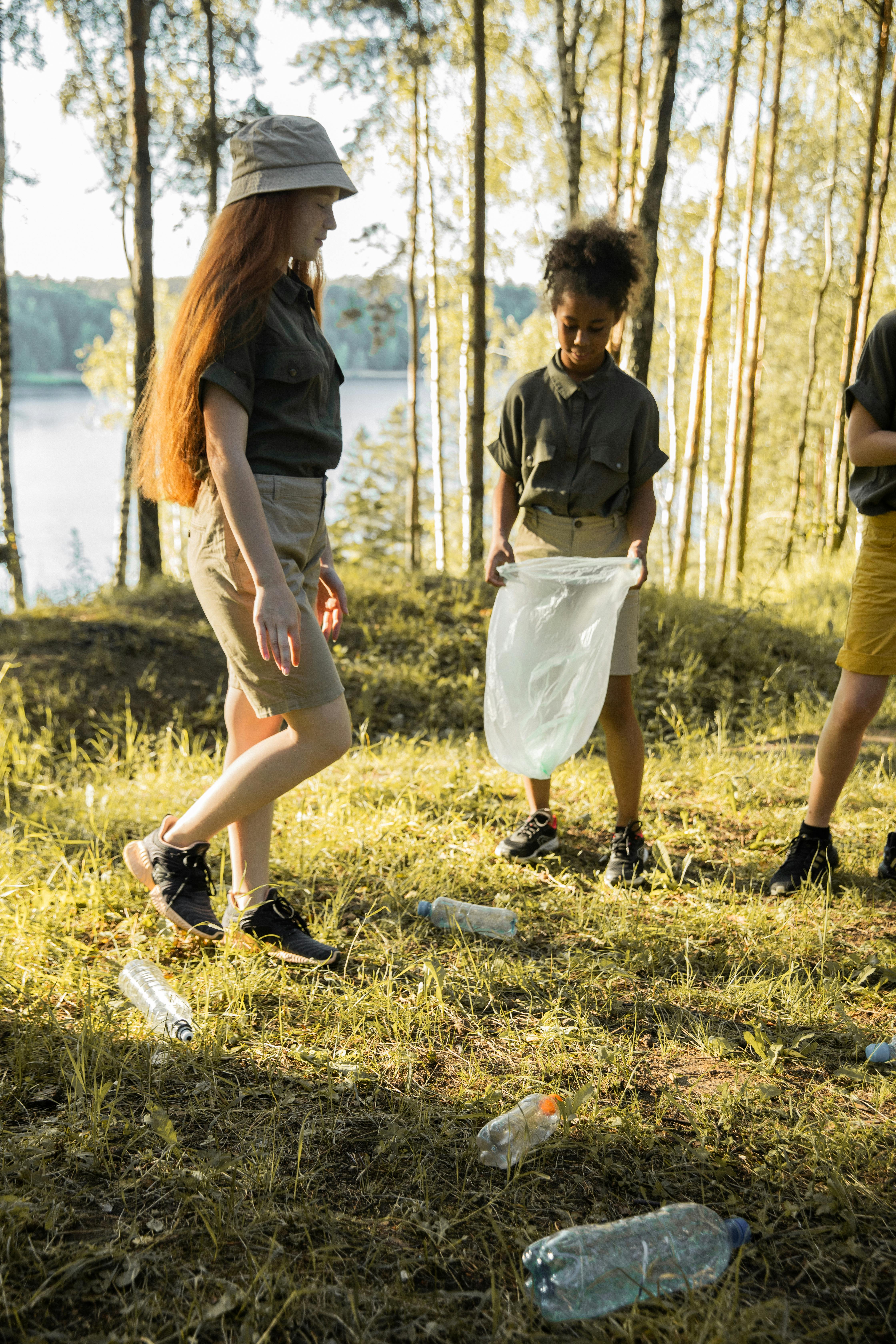
On the last Saturday of each month, citizens participate in Umuganda—a community service day. They sweep streets, plant trees, fix public spaces, and assist neighbors.
Visitors are often stunned: no other country mobilizes its population to maintain civic pride and cleanliness so consistently.
Clean Energy and Innovation
Rwanda invests heavily in solar energy, clean transport, agricultural research, and land conservation. These aren’t performative acts; they are national priorities.
To travel to Rwanda is to see a country determined not only to rebuild but to reinvent itself sustainably.
10. Travel to Rwanda to Witness the Power of Human Resilience

The People Shape the Experience
Your guide shares how tourism supports families. A coffee farmer tells you how his cooperative changed his children’s future. A young entrepreneur at a startup hub talks about building technology not for the West, but for Africans.
Every handshake, every shared plate, every moment of eye contact reveals a quiet confidence: Rwanda’s past may explain its scars, but it does not define its destiny.
To travel to Rwanda is to witness human strength in motion—a nation that chose unity over revenge, hope over fear, and progress over chaos.
Practical Tips for Your Travel to Rwanda
Visa and Entry
Many nationalities can obtain visas on arrival, and citizens of African Union states may even enter visa-free. Always check updated regulations prior to travel.
Best Time to Visit
Rwanda has two main dry seasons:
-
June to September (ideal for gorilla trekking)
-
December to February
Rainy seasons bring lush scenery but can make trekking trails slippery.
Transport
Roads are surprisingly modern. Buses connect major towns, but private car hires provide flexibility. Domestic flights are available but unnecessary unless you’re on a tight schedule.
Safety
Rwanda is one of Africa’s safest countries. Crime is low, law enforcement is proactive, and cities are well organized.
Final Thoughts: Travel to Rwanda Is More Than a Destination—It’s a Transformation
As you pack your bags and prepare to travel to Rwanda, remember that this journey is not just sightseeing. It is connection, education, and rebirth. Few places on earth combine wildlife, culture, peace, and resilience the way Rwanda does. Each moment—whether staring into the eyes of a gorilla or sipping coffee overlooking emerald hills—is an opportunity to rediscover who you are.
And when you return home, Rwanda stays with you. Not as a memory—but as a compass.
Internal Resource
For more African travel inspiration, explore this related post:
🔗 Travel to Nigeria: 10 Jaw-Dropping Places You Won’t Believe Actually Exist
https://jetsettrail.com/travel-to-nigeria-10-jaw-dropping-places-you-wont-believe-actually-exist/
🌐 Helpful Travel External Resource
Learn more about Rwanda tourism, conservation, permits, and national parks:
🔗 Visit Rwanda (Official Tourism Website) — https://www.visitrwanda.com